
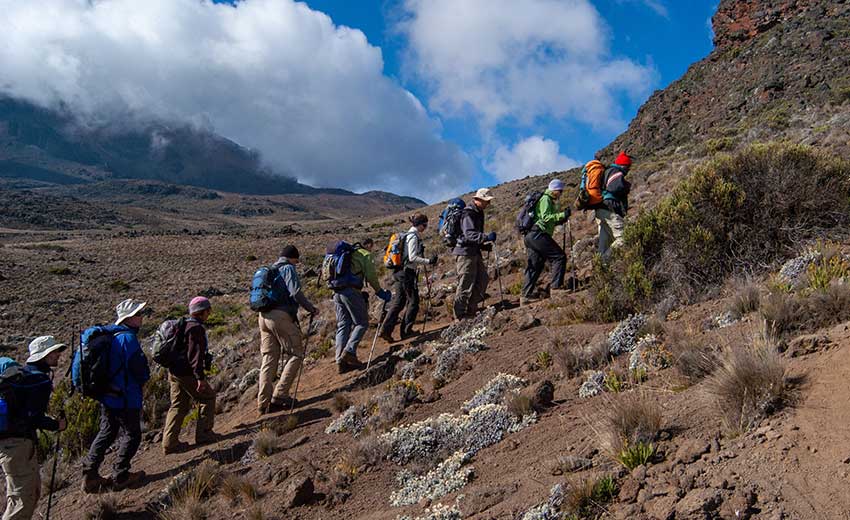
Climbing Kilimanjaro, the highest peak in Africa, is a dream adventure for many people. Located in Tanzania, this mountain stands at 5,895 meters (19,341 feet) and attracts thousands of climbers every year. However, climbing Kilimanjaro is not an easy feat and requires a lot of preparation and dedication. In this article, we will explore what it takes to climb Kilimanjaro and why it is a journey worth taking.
Preparing for the Climb
The first step to climbing Kilimanjaro is to choose the right time to go. The best time to climb Kilimanjaro is during the dry season, which runs from June to October and from December to February. During these months, the weather is generally clear and dry, making it easier to climb. However, it is important to note that even during the dry season, temperatures can still drop below freezing at night, so climbers need to be prepared for cold weather.
The next step is to choose a route to climb. Kilimanjaro has several different routes, each with its own challenges and rewards. The most popular routes are the Marangu, Machame, Lemosho, and Rongai routes. Each route has different lengths, difficulty levels, and scenery, so climbers should choose a route that suits their level of fitness and experience.
Once the route is chosen, it is important to prepare physically and mentally for the climb. Climbing Kilimanjaro is a strenuous activity that requires a lot of endurance and strength. Climbers should engage in regular exercise, such as hiking, running, or cycling, to build up their stamina. They should also practice hiking with a backpack, as they will need to carry their own gear and supplies during the climb.
In addition to physical preparation, climbers should also prepare mentally for the climb. Climbing Kilimanjaro can be a mentally challenging experience, as it requires a lot of determination and perseverance. Climbers should set realistic goals and be prepared for setbacks and challenges along the way.
The Climb
The climb up Kilimanjaro usually takes between five and nine days, depending on the route chosen. Each day involves several hours of hiking, with breaks for meals and rest. The climb is usually done in a group, with a guide and porters to assist climbers.
The first few days of the climb are relatively easy, as climbers hike through rainforests and moorlands. However, as they gain altitude, the terrain becomes more challenging and the air becomes thinner. Climbers may experience symptoms of altitude sickness, such as headaches, nausea, and dizziness. It is important for climbers to stay hydrated and listen to their bodies, as altitude sickness can be life-threatening.
As climbers near the summit, the terrain becomes rocky and steep. The final ascent to the summit usually takes place in the early hours of the morning, in order to reach the summit at sunrise. Climbers use headlamps to navigate the rocky terrain and must move slowly and steadily to conserve energy. The final ascent to the summit is the most challenging part of the climb, both physically and mentally. However, the reward of reaching the summit makes it all worth it.
The Reward
Reaching the summit of Kilimanjaro is a truly unforgettable experience. Climbers are rewarded with stunning views of the surrounding landscape, as well as a sense of accomplishment and pride. The summit of Kilimanjaro is also known as the "Roof of Africa," and climbers can take photos to commemorate their achievement.
However, the reward of climbing Kilimanjaro goes beyond just reaching the summit. Climbing Kilimanjaro is a journey that teaches climbers a lot about themselves and their abilities. It requires determination, perseverance, and the ability to push through challenges and setbacks. Climbers also gain a greater appreciation for nature and the environment, as they hike through diverse landscapes and encounter unique flora and fauna.
Moreover, climbing Kilimanjaro also provides an opportunity to connect with the local Tanzanian culture. Many climbers choose to hire local guides and porters, who provide valuable insight into the history and culture of the region. Climbers can also visit nearby villages and interact with the local people, gaining a greater understanding of their way of life.
Finally, climbing Kilimanjaro is also a way to give back to the local community. Many climbers choose to support local charities and organizations that work to improve the lives of Tanzanian people. By hiring local guides and porters and supporting local businesses, climbers can make a positive impact on the local economy and support sustainable tourism.
In conclusion, climbing Kilimanjaro is a challenging yet rewarding adventure that offers a unique opportunity to connect with nature, culture, and oneself. It requires physical and mental preparation, as well as a willingness to face challenges and setbacks along the way. However, the reward of reaching the summit and gaining a greater appreciation for nature and culture makes it all worth it. Climbing Kilimanjaro is truly a journey to the top of Africa that is worth taking.
 1990 €, 12 Days
 2410 €, 8 Days
 2680 €, 9 Days


 Verified
Verified
30.09.2026 12:55
Khiva in short Khiva, Uzbekistan is a walled Silk Road town in the far west of the country, close to the border with Turkmenistan. Its inner town, Itchan Kala, became Uzbekistan's first UNESCO World Heritage Site in 1990. Inside the mud-brick walls you'll find mosques, madrasas, palaces and minarets packed so tightly that you can walk from one gate to the other in about 15 minutes. People still...
29.09.2026 17:37
The story and photographs below were shared with us by our loyal client, Maya Ameratunga, who travelled on our first trip of Journey into the Heart of Darkness. We’re proud to publish this personal travel experience, which reflects the kind of journeys we design - authentic, immersive and off the beaten track. In the heart of Central Africa, it feels like we’re in the midst of...
20.07.2026 09:40
A Cameroon tour delivers more variety in one country than most African itineraries manage across three. Rainforest, volcanic peaks, Sahel savannah, Atlantic beaches and more than 250 ethnic groups sit within a single set of borders - which is why geographers have long called Cameroon "Africa in miniature". It is also one of the continent's least visited destinations, so the crowds you...
15.07.2026 09:02
A Mozambique tour swaps the safari-vehicle crowds for something rarer: 2,500 kilometres of Indian Ocean coastline, coral reefs that rank among the healthiest in Africa, and an Afro-Portuguese culture you will not find anywhere else on the continent. This is a beach-and-culture destination first, a wildlife one second - and that is exactly why it appeals to travellers who have already ticked off...